MyRisk Testing
MyRisk is a genetic test that looks for inherited gene mutations that may increase your risk of developing certain types of cancer. If your personal or family history suggests hereditary cancer, your provider may recommend MyRisk testing to help guide future screening and care.

During visits at Singing River Medical Clinics, patients complete a Cancer Family History Questionnaire that helps identify patterns of cancer that may run in families. If your personal or family history suggests an increased risk for hereditary cancer, your provider may recommend MyRisk genetic testing.
What Cancers Does MyRisk Test For?
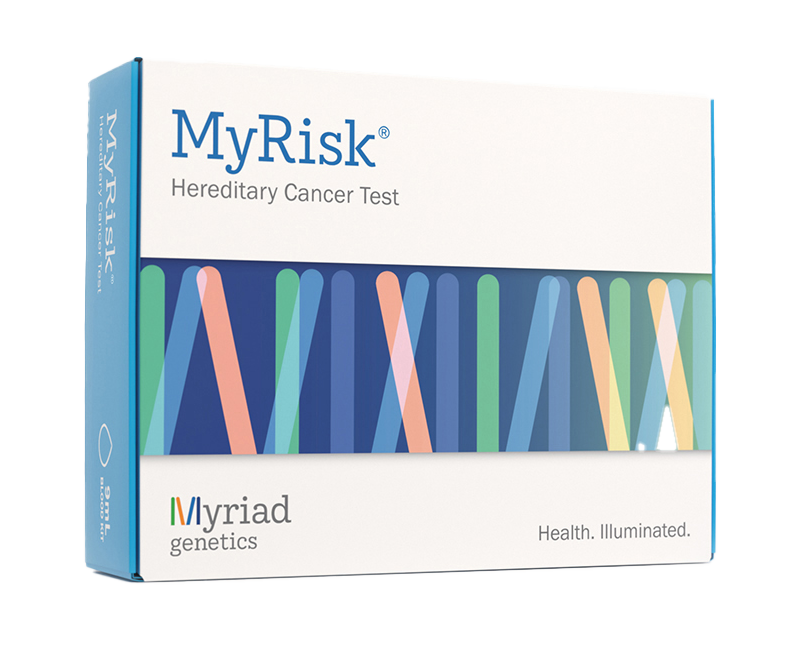
MyRisk genetic testing can help identify inherited risk for many types of cancer, including:
| Cancer Type | Associated Genes |
|---|---|
| Breast cancer | BRCA1, BRCA2, PALB2, CHEK2, ATM |
| Ovarian cancer | BRCA1, BRCA2, RAD51C, RAD51D, BRIP1 |
| Pancreatic cancer | BRCA1, BRCA2, PALB2, ATM, MLH1, MSH2, MSH6, EPCAM |
| Colon and colorectal cancer | APC, MLH1, MSH2, MSH6, PMS2, EPCAM, MUTYH |
| Endometrial (uterine) cancer | MLH1, MSH2, MSH6, PMS2, PTEN |
| Stomach cancer | CDH1, MLH1, MSH2, MSH6, PMS2 |
| Small bowel cancer | MLH1, MSH2, MSH6, PMS2 |
| Renal pelvis (kidney) cancer | FH, FLCN, MET, BAP1, MITF |
| Brain cancer | TP53, NF1, NF2, SMARCB1 |
| Sebaceous carcinoma | MSH2, MSH6 |
Hereditary Cancer & Genetic Counseling Services
Want to learn more about what happens before and after genetic testing? Visit our Hereditary Cancer & Genetic Counseling page to learn how genetic counseling, risk assessment, and personalized screening plans can help you understand your results and make informed decisions about your health.
Learn MoreWho Should Consider a Hereditary Cancer Risk Assessment?
MyRisk genetic testing is designed for individuals who have a personal or family history of certain cancers that may indicate a higher genetic risk.
You may qualify if any of the following apply to first-degree relatives (parents, siblings, children) or extended family members (grandparents, aunts, uncles, nieces, nephews, or cousins):
- Breast cancer diagnosed at age 49 or younger
- Two breast cancers in one relative at any age
- Three or more breast cancers on the same side of the family
- Ovarian cancer at any age
- Pancreatic cancer in a parent, child, or sibling
- Male breast cancer at any age
- Colon or endometrial cancer diagnosed at age 49 or younger in a parent, child, or sibling
- Ashkenazi Jewish ancestry with a family history of breast cancer
- Three relatives on the same side of the family diagnosed with colon, endometrial, or other Lynch syndrome-associated cancers (e.g., stomach, ovarian, pancreatic, small bowel, renal pelvis, brain, sebaceous carcinoma)
What Can MyRisk Tell You?
MyRisk looks for inherited gene mutations that may increase your risk for certain types of cancer.
Knowing whether you carry one of these mutations can help you and your healthcare provider make informed decisions about your future care. Depending on your results, your provider may recommend:
- Earlier cancer screenings
- More frequent screenings
- Additional screening tests
- Referral for hereditary cancer and genetic counseling
- Testing for other family members when appropriate
Not everyone who has a family history of cancer will have an inherited genetic mutation. Likewise, not everyone with an inherited mutation will develop cancer. MyRisk provides one important piece of information that helps guide future care.
MyRisk Is One Part of Understanding Your Cancer Risk
Genetic testing is only one part of the process.
Depending on your personal history, family history, and test results, your provider may recommend a referral to Singing River’s Hereditary Cancer & Genetic Counseling service.
There, you’ll meet with a specialist who can explain your results, answer your questions, and develop a personalized screening and prevention plan if additional follow-up is needed.
Hereditary Cancer & Genetic Counseling ServicesHow the MyRisk Process Works
Step One: Visit Your Primary Care Provider
During your routine check-up, walk-in, or same-day appointment, your provider will review your personal and family history.
Step Two: Complete the Cancer Family History Questionnaire
You will be asked to provide additional details about your medical and family history in a questionnaire.
Step Three: Education & Decision-Making
If you meet the criteria for MyRisk testing, your provider will explain the test, discuss its benefits and limitations, and answer any questions before you decide whether to proceed.
Step Four: Genetic Testing Submission
If you choose to proceed, a simple MyRisk blood or saliva test will be taken at the office and submitted for analysis.
Step Five: Results & Next Steps
Your provider will review your results with you and discuss what they mean for your health.
Depending on your results and family history, your provider may recommend routine follow-up, additional screening, or referral to Singing River’s Hereditary Cancer Specialist for a more comprehensive evaluation.
Is MyRisk Right for You?
If certain types of cancer seem to run in your family, MyRisk genetic testing may help you better understand your inherited risk.
Talk with your primary care provider about your personal and family history of cancer. They can help determine whether MyRisk testing is appropriate or whether a referral for hereditary cancer and genetic counseling may be the best next step.
Schedule an Appointment