Hereditary Cancer & Genetic Counseling
At Singing River Cancer Center, our Hereditary Cancer Specialist helps patients understand their inherited cancer risk through personalized genetic counseling, genetic testing, and individualized screening plans.

Understanding Your Family History Could Change Your Future
Most cancers happen by chance. But for about 5–10% of people diagnosed with cancer, an inherited genetic mutation may have played a role. These mutations can be passed from one generation to the next and increase the risk of developing certain cancers.
If certain types of cancer seem to run in your family, you’ve been told you’re at higher risk, or you’re wondering whether genetic testing is right for you, we’re here to help you better understand your risk of developing cancer.
What is Hereditary Cancer?
Some cancers are caused by inherited gene mutations that run in families.
These inherited mutations may increase the risk for cancers, including:
- Breast
- Ovarian
- Pancreatic
- Prostate
- Colorectal
- Endometrial (uterine)
- Gastric (stomach)
- and others
Not everyone with these mutations will develop cancer, but identifying increased risk allows us to recommend earlier screening and prevention strategies.
Should I Get Genetic Counseling?
You may benefit from a hereditary cancer risk assessment if any of the following apply to first-degree relatives (parents, siblings, children) or extended family members (grandparents, aunts, uncles, nieces, nephews, or cousins):
- Breast cancer diagnosed at age 49 or younger
- Two breast cancers in one relative at any age
- Three or more breast cancers on the same side of the family
- Ovarian cancer at any age
- Pancreatic cancer in a parent, child, or sibling
- Male breast cancer at any age
- Colon or endometrial cancer diagnosed at age 49 or younger in a parent, child, or sibling
- Ashkenazi Jewish ancestry with a family history of breast cancer
- Three relatives on the same side of the family diagnosed with colon, endometrial, or other Lynch syndrome-associated cancers (e.g., stomach, ovarian, pancreatic, small bowel, renal pelvis, brain, sebaceous carcinoma)
What Happens During Your First Visit?
Unlike a routine office visit, your appointment is centered around a conversation.
Our Hereditary Cancer Specialist will spend time getting to know you, reviewing your personal and family history, answering questions, and helping you understand what your history may mean.
Together, you’ll discuss:
- Your personal history of cancer
- Your family’s history of cancer
- Whether genetic testing is appropriate
- What genetic testing can and cannot tell you
- Insurance coverage and costs
- What your options may be moving forward
If genetic testing is recommended and you choose to proceed, testing can often be completed the same day using a blood sample, saliva sample, or cheek swab, depending on the testing method.
Reviewing Your Results
Your genetic test results are available in four weeks, and a follow-up appointment with the Hereditary Cancer Specialist is scheduled during that time frame. During your follow-up visit—either in person or by telehealth, depending on your needs—they will explain what the results mean, answer your questions, and discuss your next steps.
Depending on your results, your personalized screening plan may include:
- Earlier or more frequent cancer screenings
- Breast MRI in addition to mammography
- Colonoscopy at younger ages
- Pancreatic screening
- Risk-reducing medications
- Lifestyle recommendations
- Referrals to specialists
- Ongoing high-risk follow-up
Even if your genetic testing is negative, you may still benefit from enhanced screening if your family history places you at higher risk.
How Your Family Is Affected
If your genetic test finds an inherited gene mutation that can increase your risk of certain types of cancer, that information can help more than just you—it can help your whole family.
Your children, brothers, sisters, parents, and other close relatives may choose to be tested for the same mutation. If they have it, they can use that information to make decisions that help protect their health, like getting screened earlier, getting screened more often, or having additional tests if they’re at higher risk.
This process of offering genetic testing to close family members is called cascade testing because the information flows through a family tree from one generation to the next, helping families better understand their health and make informed decisions about their care.
Frequently Asked Questions
Does genetic testing mean I have cancer?
No. Genetic testing identifies inherited cancer risk. It does not diagnose cancer.
Is genetic testing only for women?
No. Inherited cancer mutations can increase cancer risk for both women and men, including prostate and pancreatic cancers.
I’ve already had genetic testing. Should I be tested again?
Possibly. Genetic testing continues to evolve, and today’s testing panels evaluate more genes than they did just a few years ago. If your testing was completed more than five years ago, updated testing may be appropriate.
What if I’m adopted or don’t know my family history?
Genetic counseling may be especially valuable if you don’t know your family medical history. We’ll discuss your personal history, explain your options, and help determine whether genetic testing is right for you.
Because insurance coverage for hereditary cancer testing is often based on documented personal or family history, some patients without that information may not qualify for insurance coverage. If that’s the case, our team can help you explore financial assistance and affordable self-pay options.
Is genetic testing expensive?
Insurance covers most patients who meet the medical guidelines for genetic testing. Financial assistance programs are available through many testing laboratories, and self-pay pricing is often much lower than patients expect.
Meet Stephanie Hodges, APRN, FNP-C
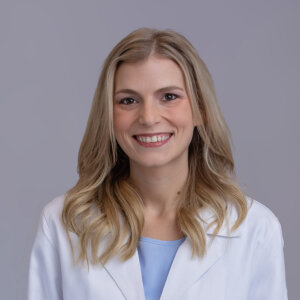
Stephanie Hodges, APRN, FNP-C
Hereditary Cancer SpecialistStephanie specializes in hereditary cancer risk assessment, genetic counseling, and personalized cancer prevention planning. She works closely with patients and their families to explain complex genetic information in a way that’s easy to understand and helps them make informed decisions about their health.
How to Get Started
If you would like to make an appointment with our Hereditary Cancer Specialist at Singing River Cancer Center, ask your primary care provider or specialist about a referral. If you don’t have a primary care provider, visit our Primary Care page and learn more about making your first appointment with a provider.