Vascular Care
Leg pain when you walk. Swelling that will not go away. Cold feet. Varicose veins. A sore on your foot or leg that is slow to heal. These symptoms may seem unrelated, but they can all be signs of a problem with your vascular system.
At Singing River, our vascular medicine and vascular surgery specialists work together to diagnose the cause of circulation problems and determine the right treatment for each patient. Care may include monitoring, medication, lifestyle changes, minimally invasive treatment, or vascular surgery.
When Symptoms May Be Vascular
You do not need to know the name of a vascular condition before asking for help. Talk with your healthcare provider about a vascular evaluation if you experience symptoms like these.
Leg Pain When Walking
Cramping or aching that improves with rest.
Heavy or Aching Legs
Heaviness, aching, and varicose veins may point to vein disease.
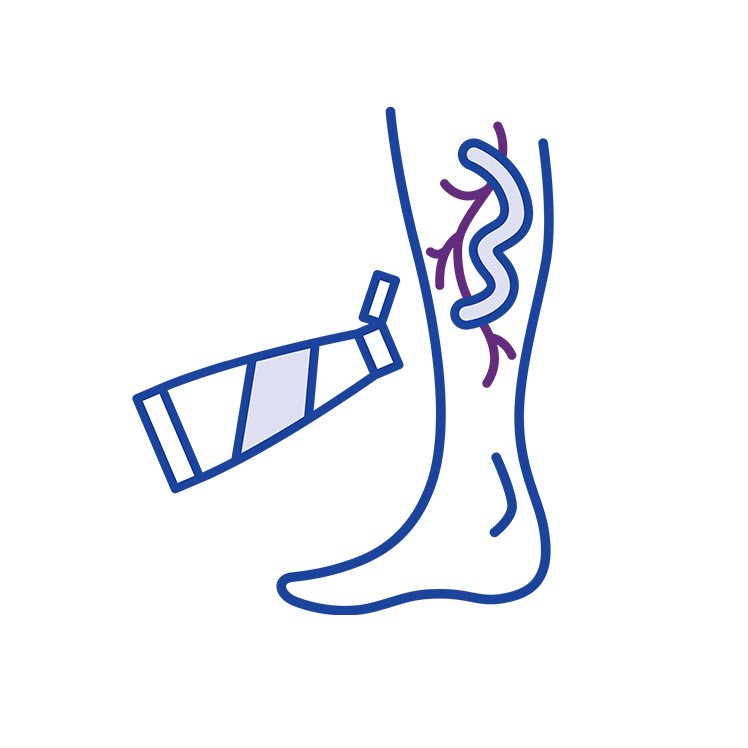
A Wound That Won’t Heal
A slow-healing foot, ankle, or leg wound may be a sign of poor circulation.
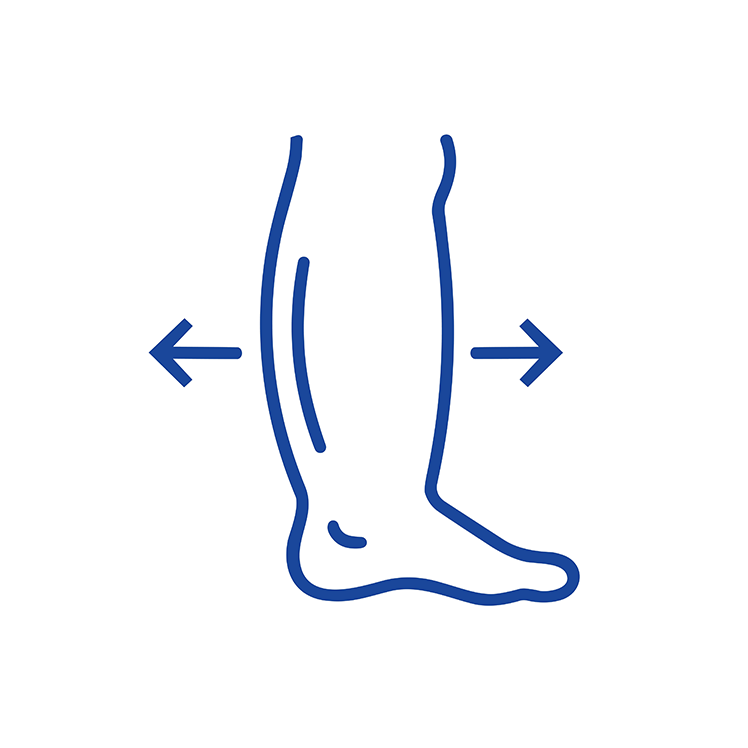
Leg or Arm Swelling
Persistent or recurring swelling deserves a closer look.
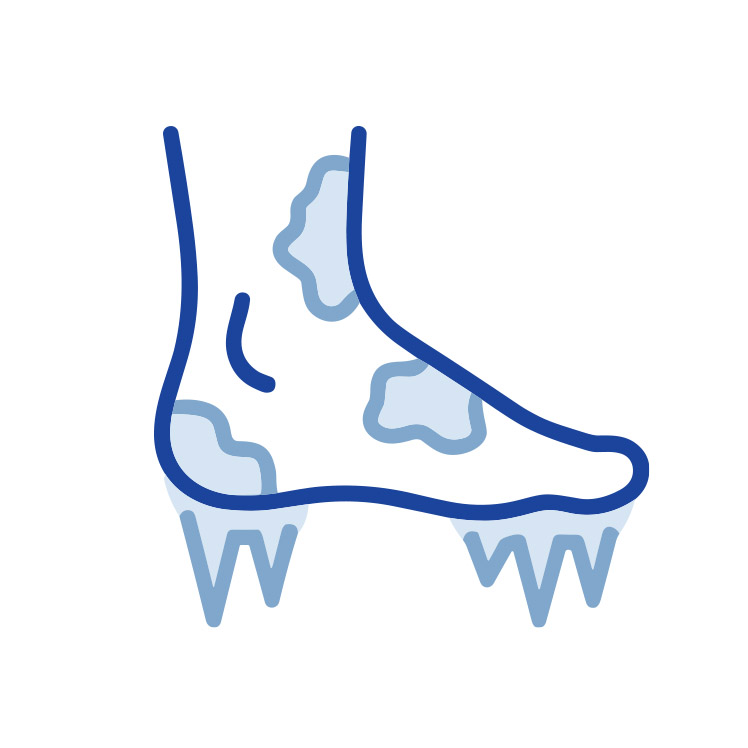
Cold or Discolored Feet
Changes in temperature or color may signal reduced circulation.
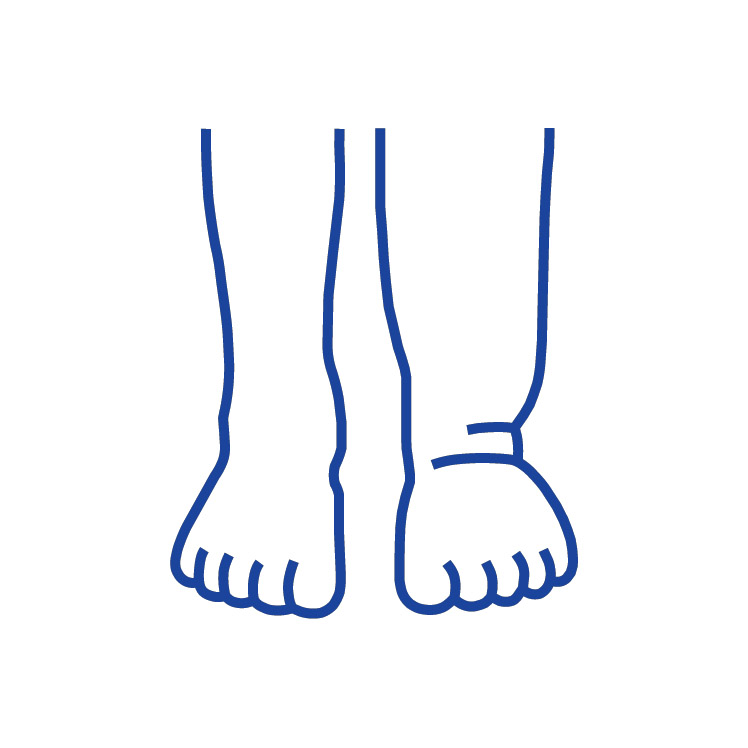
One Leg Suddenly Swells
Sudden swelling on one side may be a sign of a blood clot.
Arteries, Veins, and the Lymphatic System All Play a Role
Your vascular system includes more than your arteries. Problems affecting your arteries, veins, or lymphatic system can cause symptoms that look very similar.
Arteries
Carry oxygen-rich blood from your heart to tissues throughout your body.
Veins
Carry blood back toward your heart.
Lymphatics
Collect excess fluid from tissues and help return it to circulation.
Finding the cause is the first step toward treating it.
Vascular Conditions We Treat
Our vascular specialists evaluate and treat conditions affecting circulation, veins, and the lymphatic system.
Peripheral Artery Disease (PAD)
Peripheral artery disease occurs when plaque narrows or blocks arteries, most commonly in the legs. Reduced blood flow can cause calf, thigh, or buttock pain when walking that improves with rest. Other signs can include cold feet, weak pulses, skin changes, and wounds that are difficult to heal.
PAD is especially important to recognize in people with diabetes because nerve damage can make circulation problems harder to feel.
Chronic Venous Insufficiency and Vein Disease
When the valves inside the leg veins do not work properly, blood can pool in the legs. Symptoms may include swelling, aching, heaviness, varicose veins, skin discoloration, and venous ulcers.
Lymphedema
Lymphedema is chronic swelling caused when the lymphatic system cannot adequately move fluid out of an area of the body. It most often affects an arm or leg. It can develop after damage to lymph nodes, but it can also be associated with chronic vein disease, infection, injury, or other problems affecting the lymphatic system.
Deep Vein Thrombosis (DVT) and Blood Clots
A deep vein thrombosis is a blood clot that develops in a deep vein, most commonly in the leg. Symptoms may include sudden swelling, pain or tenderness, warmth, and redness or discoloration. Suspected blood clots require prompt medical evaluation.
Carotid Artery Disease
The carotid arteries carry blood to your brain. Plaque buildup can narrow these arteries and increase the risk of stroke.
Aortic Aneurysms
An aneurysm is a weakened area of an artery that enlarges or bulges over time. Some aneurysms can be monitored, while others may require repair depending on their size, location, rate of growth, and the patient’s individual risk.
Non-Healing Wounds and Vascular Complications of Diabetes
A wound on the foot, ankle, or leg that does not heal may be a warning sign of poor circulation. Reduced arterial blood flow can make it harder for tissue to receive the oxygen and nutrients it needs to heal.
Additional vascular conditions we treat
- Critical limb ischemia
- Thoracic outlet syndrome
- Vascular malformations
- Diseases of the aorta
- Visceral artery disease
- Dialysis and vascular access needs
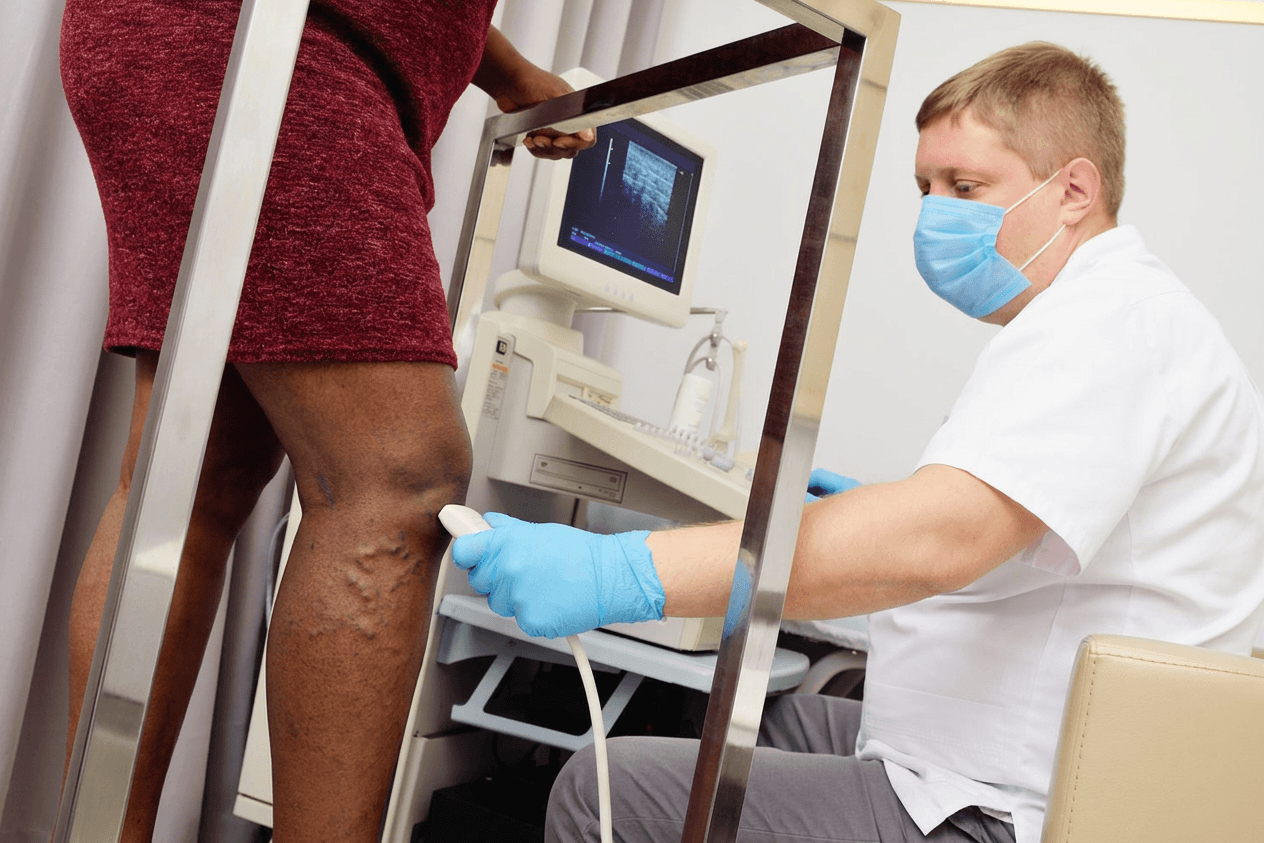
Vascular Testing Can Help Find the Cause
Many vascular conditions can be evaluated with painless, noninvasive testing. Singing River’s Non-Invasive Vascular Laboratory performs studies for PAD, carotid artery disease, DVT, chronic venous insufficiency, varicose veins, aneurysms, and other conditions.
- Vascular ultrasound
- Ankle-brachial index testing
- Carotid studies
- Venous studies
Some Vascular Symptoms Require Immediate Care
Call 911 for symptoms of stroke such as sudden facial drooping, arm weakness, speech difficulty, loss of balance, or sudden vision changes.
Sudden shortness of breath, chest pain, coughing up blood, fainting, or severe lightheadedness can be signs of a pulmonary embolism and also require emergency care.
Ask Your Provider for a Vascular Referral
Persistent leg pain, swelling, poor circulation, or a wound that will not heal should not simply be written off as a normal part of aging.
Have your healthcare provider refer you to Singing River Cardiovascular & Thoracic Surgery to meet with a vascular care specialist.